 Porto Wine Cellar Tours
Hotels in Vila Nova de Gaia: Where to Stay for the Port Cellars
Hotels in Vila Nova de Gaia put you on the same riverbank as the port cellars, with Porto a bridge away. This guide breaks the riverside into three areas, the Cais de Gaia, the Ribeira side across the lower deck and the Jardim do Morro hill, and explains what each is like, what the crossings cost and what to check before you book. It covers the port wine cellar district rather than the whole municipality, which stretches far inland. This guide names no hotels and quotes no room rates, because the subject is the cellars and the walking distance to them. The bookable tours are compared on Porto wine cellars.
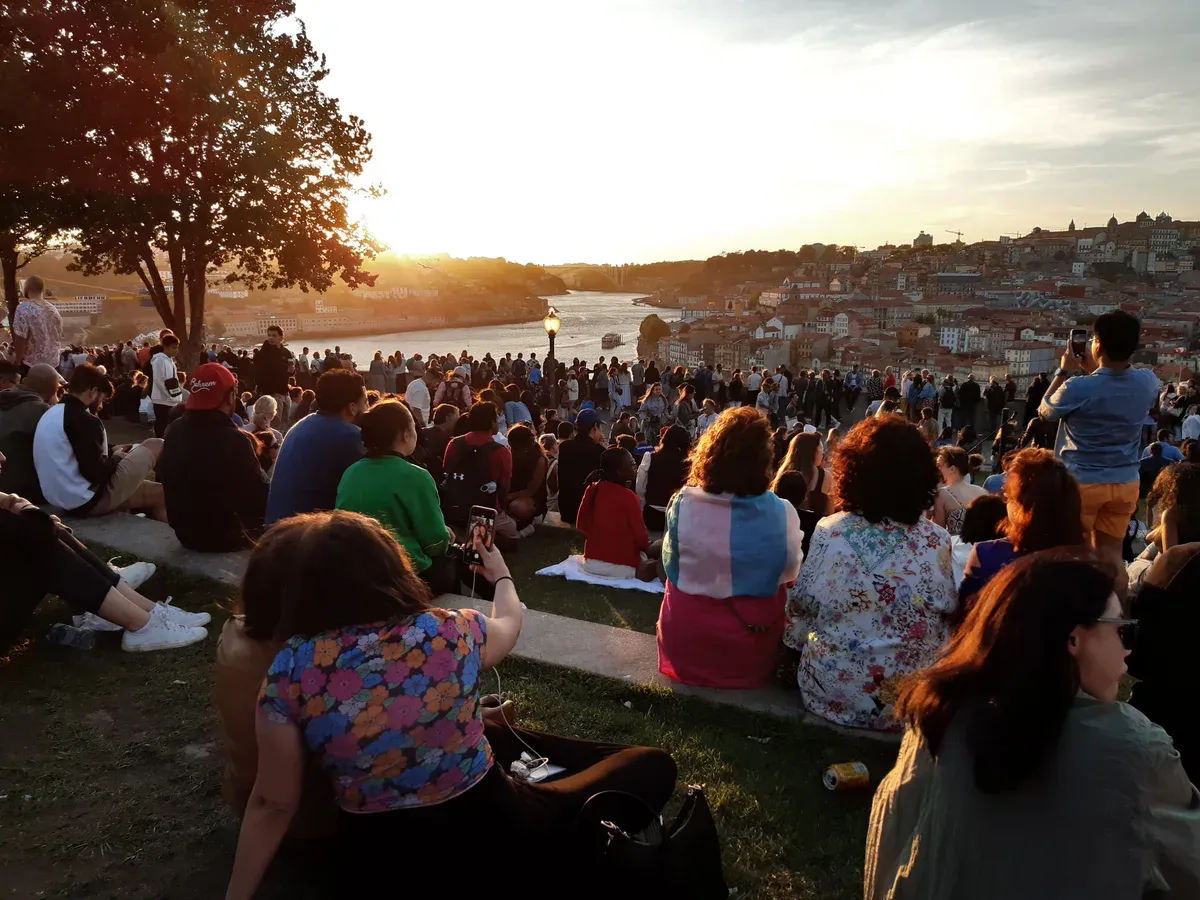
The sunset crowd at Jardim do Morro in Vila Nova de Gaia. Photo: Ridiculopathy, CC0, via Wikimedia Commons
Quick answer Where to stay in Gaia
The riverfront of Gaia puts the cellars on your doorstep, and the Dom Luís I Bridge links it to Porto on foot with no ticket needed. A ride on the Teleférico de Gaia from the hill down to the river costs €7 one way for an adult. Stay near Cais de Gaia for the cellar doors and the river cruises, or on the Jardim do Morro hill for the metro and the sunset views. The port houses sit along a stretch of the south bank called the 'caves', where Gaia has been the official storage site for Port exporters' wine since 1777.
Key takeaways
- The three areas compared, side by side, in the areas section.
- See each cellar's location on the port wine cellars map.
- The hill-to-river ride, fares and hours are on the Teleférico de Gaia page.
- Not sure which visit to book first? Start with the comparison of Porto wine cellar tours.
Room Lists by Area
Each link opens the live room list for that area. The Gaia riverside puts the cellars on your doorstep, Ribeira is across the lower deck of the bridge, and the hill by Jardim do Morro sits at the top of the cable car.
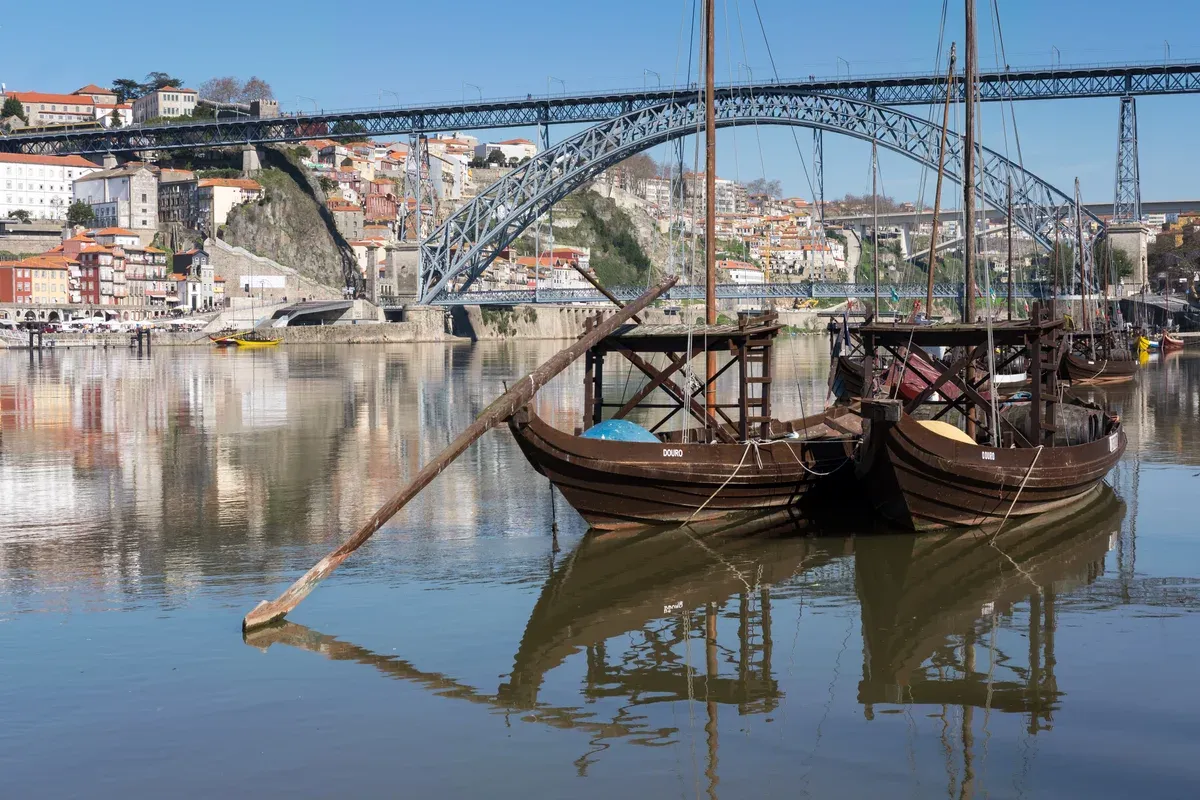
Cais de Gaia
- Suits
- The cellars, the riverside restaurants and the boats
Burmester, Cálem and Sandeman stand along this quay.
See stays in Cais de Gaia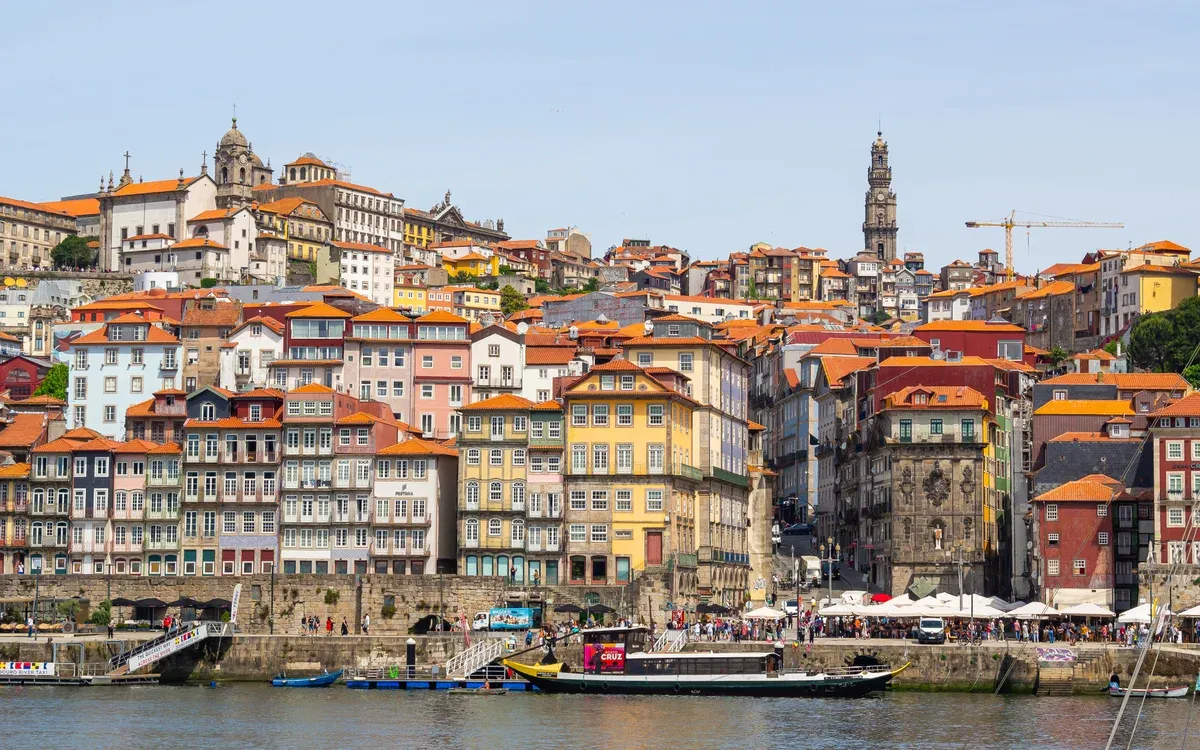
Ribeira
- Suits
- The old town on the Porto side, a walk across the lower deck to the lodges
The lower deck of the Ponte Luís I links Ribeira with the Gaia quay on foot.
See stays in RibeiraJardim do Morro
- Suits
- The upper deck, metro line D and the cable car down to the river
The Gaia Cable Car runs from here to Cais de Gaia for €7 one way.
See stays in Jardim do MorroThe Three Areas to Stay
Vila Nova de Gaia is Portugal's third most populous municipality, with 303,824 inhabitants in the 2021 census, and it covers 168.46 km2. The part that matters for a port trip is small. It is the strip along the Douro where more than 60 port cellars line the river, according to secondary sources, and the hill and bridge above it.
The Three Areas at a Glance
The table compares the three areas a visitor would realistically book a room in. It names the side of the river and the traveller each suits best. The figures that describe each area, such as the cable car fare of €7 one way, appear in the sections below.
| Area | Side of the river | Best for |
|---|---|---|
| Cais de Gaia | South, riverfront | Cellar doors, river cruises and walking |
| Ribeira side (Porto) | North, riverfront | Old Porto atmosphere one bridge away from the caves |
| Jardim do Morro | South, hilltop | Sunset views, the metro and the cable car top station |
Cais de Gaia: The Riverfront
This is the quay on the Gaia bank, along Avenida de Diogo Leite. The riverside promenade faces Porto's Ribeira across the water and is the departure point for Gaia-side river cruises. The great port lodges sit here and on the streets just behind, where Gaia has been the official storage site for Port exporters' wine since 1777. The locals call the cellars 'caves', which translates as lodges in English.
For a port trip this is the most convenient base. Cellars such as Burmester at Largo Dom Luís I and Cálem at Avenida de Diogo Leite 344 sit on the Gaia waterfront, so an evening visit like the Cálem cellar tour with fado, a 75-minute visit with a live concert for $31, ends on the Gaia side. The lower deck of the Dom Luís I Bridge connects Gaia with the Ribeira on foot.
- Riverside walking along the promenade
- Cellar doors and river cruise piers within the same stretch
- The lower bridge deck connects straight to the Ribeira
The Ribeira Side Across the Lower Deck
Porto's Ribeira faces the cellars from the north bank. It is a separate city, not a Gaia district, but many visitors weigh it against hotels in Vila Nova de Gaia because the two riverfronts sit face to face. The lower deck of the Dom Luís I Bridge carries road traffic, buses, taxis and pedestrians, so the walk across is free.
Choosing the Ribeira puts you in Porto's historic centre, among restaurants and the old riverside houses. Choosing Gaia puts you beside the caves. The walking tour that takes in three port houses and seven tastings, the Three Port Houses Walking Tour at $64.07, meets on the Porto side by the pillars of the old Pensil bridge, which suits a Ribeira base. If you would rather have the cellar district outside your door in the evening, Gaia wins. There is no wrong answer, only a question of which riverfront you want at breakfast.
- Free pedestrian crossing both ways on the lower deck
- Some walking tours meet on the Porto side
- Gaia's riverfront is the departure point for river cruises
Jardim do Morro: The Hill by the Cable Car
The hill above the bridge is the third base. Jardim do Morro is a free public garden just south of the Dom Luís I upper deck, established in 1927 and open around the clock. The Jardim do Morro metro station sits at surface level on Avenida da República with step-free access, and the upper station of the Teleférico de Gaia stands next to it, so the hill has both the metro and the ride down to the river.
For a cellar-focused stay the trade-off is clear. You gain the views, the sunset crowd and a metro link, and you give up the riverfront location. The Teleférico de Gaia covers the descent in 3 min 45 s, and a one-way adult ticket costs €7. The Serra do Pilar monastery stands next to the garden, and the lower station drops you on the Cais de Gaia promenade among the cellars.
Sources: IVDP, Port wine categories, Gaia Cable Car prices and timetable
From Your Hotel to the Cellars
However you set out, the crossing comes down to one bridge, one metro line and one cable car.
Walking the Dom Luís I Bridge
The Dom Luís I Bridge was designed by Théophile Seyrig, a partner of Gustave Eiffel, and built between 1881 and 1886 by the Belgian Société de Willebroek. It is a double-deck iron arch, and both decks carry pedestrians.
From Gaia, the upper deck leads to Jardim do Morro and the metro stop, and the lower deck leads straight down to the Ribeira. From either deck the port cellar district lies at the Gaia end, so a stay on the Cais de Gaia puts you inside the caves area with no crossing at all. The bridge was classified a Portuguese National Monument in 1982 and forms part of the UNESCO site inscribed in 1996 together with the Monastery of Serra do Pilar.
Metro Line D Across the Upper Deck
The upper deck carries Metro Line D and pedestrians, and the line crosses the bridge at the Gaia end next to Jardim do Morro station. Trains run about every 5-6 minutes on weekdays and every 10 minutes on weekends and evenings, per the station data. One stop south in Gaia is General Torres.
A single Z2 occasional ticket costs €1.40 on the Metro do Porto fare table, a 10-pack costs €14 and the reloadable Andante card itself costs €0.60. Which zone covers Jardim do Morro is not confirmed here, so check the fare on the Metro do Porto site.
| Ticket | Price |
|---|---|
| Z2 single (occasional) | €1.40 |
| Z2 10-pack | €14 |
| Andante card | €0.60 |
The Teleférico de Gaia
The cable car links the two levels of a Gaia stay. The high station is at Jardim do Morro, next to the metro and the bridge's upper deck, and the riverside station is on the Cais de Gaia. A ride takes 3 min 45 s, and Andante tickets are not valid on it, so you pay the operator directly.
Fares are a one-way adult ticket at €7, a child aged 5-12 at €3.50, a round trip adult at €10, a child round trip at €5 and a family round trip for 2 adults and 2 children at €22.50. Tickets are valid 30 days with VAT included. If your room is on the hill, this is the way home after a cellar visit without climbing the Serra do Pilar hill on foot.
| Ticket | Fare |
|---|---|
| Adult one-way | €7 |
| Child 5-12 one-way | €3.50 |
| Adult round trip | €10 |
| Child round trip | €5 |
| Family round trip, 2 adults + 2 children | €22.50 |
Walk Tour: Porto and Vila Nova de Gaia Riverside
A walk along both riverbanks, the area where most visitors stay near the cellars. Third-party video by The Roaming Dee. This site did not shoot it and has no relationship with the creator.
Around Gaia in the Evening
The hill and the quay both give you something to do after the cellar tours finish.
Sunset at Jardim do Morro
The garden draws a crowd at the end of the day, and with reason. It sits just south of the upper bridge deck, so the view takes in the bridge and the Douro. It is free, open around the clock and next to both the metro station and the cable car's high station, which makes it easy to reach from any of the three areas.
If your base is on the Cais de Gaia, the Teleférico de Gaia takes 3 min 45 s to the top.
The Serra do Pilar Monastery
Next to the garden stands the monastery that gives the hill its name. It was founded in 1537 by the Canons Regular of St Augustine, though Wikipedia records construction as beginning in 1538. Its circular church and circular cloister share an identical diameter, and it is one of only two circular monastic churches in Portugal.
History gathers here too. The Duke of Wellington used the site in 1809 to launch his surprise crossing against the French, and during the Siege of Porto of 1832-33 it was the only Liberal stronghold on the south bank. It became a National Monument in 1910. A visit to the cloister and dome costs €2.
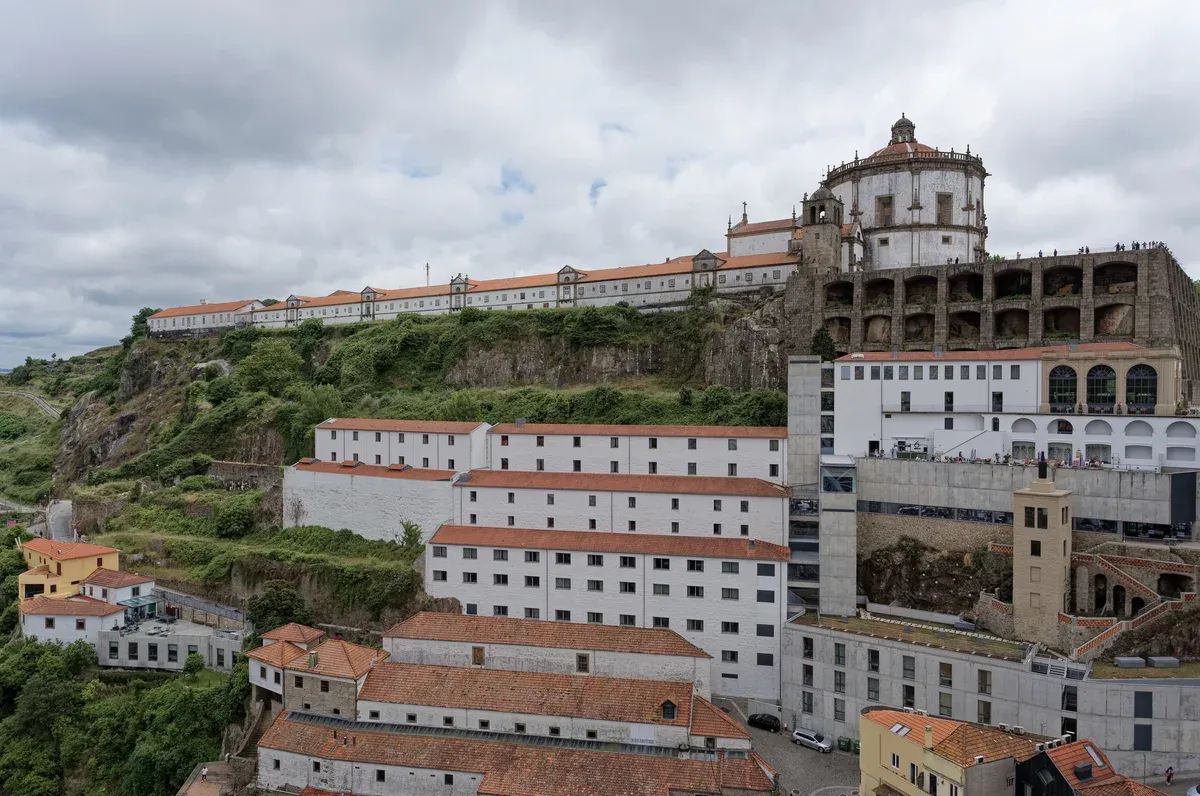
The Serra do Pilar monastery on its hill above the Gaia riverfront. Photo: Jakub Hałun, CC BY 4.0, via Wikimedia Commons
What to Check Before You Book
A room near the cellars is a simple choice once you have matched the area to your plans. These four checks settle the rest.
Hills and Cobbles
Jardim do Morro and the Serra do Pilar sit on the hill above the quay. If stairs and slopes are a concern, consider a base on the Cais de Gaia level and reach the viewpoints by cable car. The ride takes 3 min 45 s each way, and the Jardim do Morro metro station offers step-free access if you arrive with luggage on Line D.
The Cable Car Hours
If you plan to ride up or down rather than walk, check the season before you rely on it. The Teleférico de Gaia runs 10:00-20:00 from 26 April to 24 September, 10:00-19:00 from 24 March to 25 April and from 25 September to 24 October, and 10:00-18:00 from 25 October to 23 March. It closes only on Christmas Day.
Evening returns from a hilltop room depend on the winter closing time of 18:00, so walk the bridge if you are out late.
The Meeting Point of a Booked Cellar Tour
Where a tour starts decides how far you walk from your hotel. Single-cellar visits in Gaia meet at the lodge door, so a base near the lodge makes them walk-to visits. The riverside Burmester Cellar Tour at $26 meets at Largo Dom Luís I, beside the Luis I bridge, and the Cockburn's Port Lodge Tour and Tasting at $34 meets at Rua de Serpa Pinto 346.
Tours that start in Porto are different. A room in Gaia means crossing the bridge first, so check the meeting point before you book rather than after. Free cancellation of 24 hours applies to most listings here, which gives you room to adjust.
Match the Area to the Tour
The last check is the simplest one. List the cellars you want to see on the port wine cellars map, then book a room within that stretch. Secondary sources count more than 60 port cellars along the Douro in Gaia, and the lodges you can book on your own sit alongside the guided options, so compare visits on the page of port wine cellar tours before you commit to a base.
A room you can walk home from after a tasting is worth more than one on the other side of the river.
Staying in Vila Nova de Gaia: Questions
Is it better to stay in Porto or Vila Nova de Gaia?
It depends on what you want outside your door. Gaia puts you among the port cellars, where the wine has been stored since 1777, and the quay. Porto's Ribeira puts you in the old city, a free walk across the lower deck of the Dom Luís I Bridge from the caves. If port is the reason for the trip, Gaia is the shorter walk at the end of the evening.
Is Vila Nova de Gaia worth visiting?
Yes, and not only for the lodges. Secondary sources count more than 60 port cellars along the Douro in Gaia, the riverside promenade faces the Ribeira and is the departure point for Gaia-side river cruises, and the hill above holds the Jardim do Morro garden and the Serra do Pilar monastery, part of the UNESCO site inscribed in 1996.
Can you walk from Porto to the port cellars in Gaia?
You can. Both decks of the Dom Luís I Bridge carry pedestrians, so you cross on foot from the Ribeira on the lower deck or from the upper deck beside Metro Line D at no cost.
How much is the Gaia cable car?
The operator charges a one-way adult ticket of €7 and a round trip of €10. Children aged 5-12 pay €3.50 one way, and a family round trip for 2 adults and 2 children costs €22.50. A ride takes 3 min 45 s and Andante tickets are not valid.
Where should I stay to be close to the port lodges?
On the Cais de Gaia riverfront. Lodges such as Burmester at Largo Dom Luís I and Cálem at Avenida de Diogo Leite 344 stand on the Gaia waterfront, and single-cellar tours meet at the lodge door.
Is the metro useful for a stay in Gaia?
If you stay on the Jardim do Morro hill, yes. Line D stops at Jardim do Morro next to the cable car's high station, trains run about every 5-6 minutes on weekdays, and the Metro do Porto fare table lists a Z2 single at €1.40 with a 10-pack at €14.